
Diet and Lifestyle: Living with PBC

Lifestyle and diet can play a significant role in dealing with primary biliary cholangitis (PBC). This is what I've learned about it along the way.
Alcohol and PBC don't mix
After my gastroenterologist diagnosed me with PBC, he recommended that I quit alcohol completely to protect my liver from any stress.
I had been a heavy drinker for most of my life and at first, I found that extremely difficult. I obtained my medical marijuana card, and cannabis was extremely helpful in making the transition. I have been virtually alcohol-free for 15 years other than the occasional celebratory toasts on special occasions. However, when those occasions come around and I imbibe too much, I usually feel terrible for a day or two after.
A few years ago, we were celebrating St. Patrick's Day, and I consumed three shots of Irish whiskey. The next day, I felt like I had gotten hit by a truck, much worse than any hangover. I was nauseated and felt completely exhausted. It was difficult to get out of bed, so I just stayed there. It took me two days to recover. That certainly taught me a lesson. Alcohol and PBC don't mix!
Fried and fatty foods take a toll
Diet also reminds me that I have a serious liver disease. Fatty and fried foods no longer agree with my stomach and intestinal tract. Bile is one of the necessary components of fat digestion, and PBC seems to impair the bile-making process by attacking the small bile ducts and impeding flow.

Sadly, I've always enjoyed deep-fried anything: funnel cakes, deep-fried cheese, deep-fried candy bars, fried oysters, onion rings, and elephant ears. Now whenever I would indulge at the fair or local carnival, I pay the price. I suffer severe cramping and gas, along with multiple trips to the bathroom and diarrhea. I have learned to avoid those tasty treats.
A few years ago, we were on holiday with friends, and we found a cool little English pub. Highlighted on their menu was fish and chips, one of my favorites. After much deliberation and my wife warning of the possible outcomes, I gave in and ordered it. It was a massive piece of deep-fried, batter-dipped fish with mounds of deep-fried chips. It was incredibly delicious.
During the night, my mistake became obvious. Multiple trips to the bathroom with cramping and diarrhea. I really didn't sleep. We had reservations in the morning for a wonderful brunch. Sadly, because of the nausea and diarrhea, I could hardly eat anything and felt embarrassed with multiple trips to the bathroom. Again, lesson learned. I haven't had fish and chips since.
What food are recommended for a liver-friendly diet
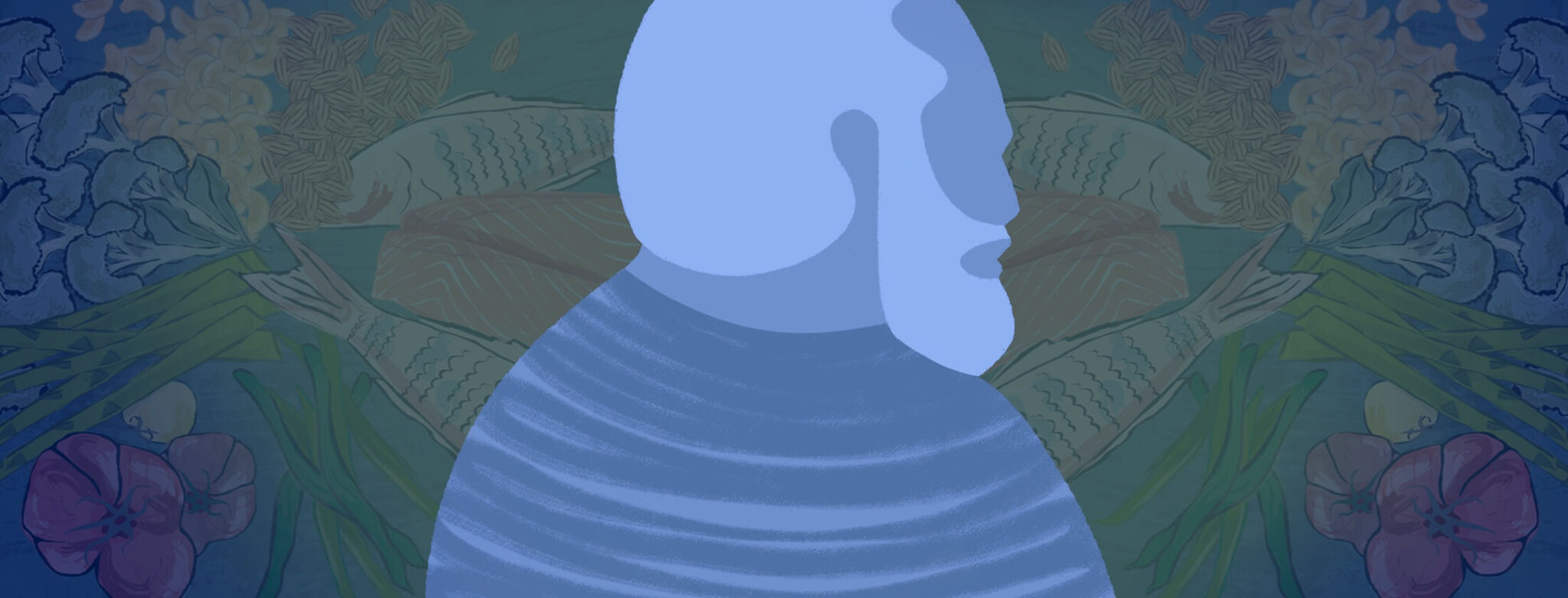
With PBC, I think it is important to maintain a healthy diet. The American Liver Foundation recommends a diet high in fiber with fruits, vegetables, and whole grains. It is also recommended that PBC patients limit or avoid sugary beverages (anything with high-fructose corn syrup) and avoid saturated fats.2
My unfortunate experience with deep-fried foods certainly proves that. The Liver Foundation recommends unsaturated fats containing Omega-3s found in extra virgin olive oil and fatty fish. People with PBC are also advised to avoid salty foods, as sodium leads to fluid retention that can put extra strain on the liver.2,3
Why to avoid raw and uncooked foods
One thing that I still struggle with is the recommendation to strictly avoid raw and uncooked foods. Liver disease compromises the immune system, and raw and uncooked foods may contain bacteria, viruses, and parasites that can cause life-threatening illnesses.1
For many years, I enjoyed clams and oysters on the half shell. Now I avoid them completely. My main problem is that I absolutely love sushi and would eat it every day if I could. I sincerely hope I'm not playing a game of "Russian Roulette," because I still indulge two or three times a month.
The role of vitamins
I've found vitamins can play an important role with PBC, too. When I was first diagnosed with PBC, my gastroenterologist had my blood tested for vitamin D. To our horror and surprise, my bloodwork showed no vitamin D at all! He immediately put me on a high-dose D3, and I now take 1000 IU daily. My current blood work shows my vitamin D in the normal range.
I now try to eat foods that are high in A (carrots, cantaloupe, mango and salmon), E (broccoli, peanuts, asparagus and avocado), and K (spinach, blueberries, pine nuts and chicken breasts).
Taking control where I can
Having a disease that is incurable is quite daunting. And with a disease like PBC, there are many things that are beyond our control. However, I think there are many things that are within our control that can help manage symptoms and improve outcomes.
I think taking medications is extremely important along with a healthy diet, avoiding alcohol and saturated fats, and getting the proper vitamins. I hope these steps help in the long run.
Join the conversation