


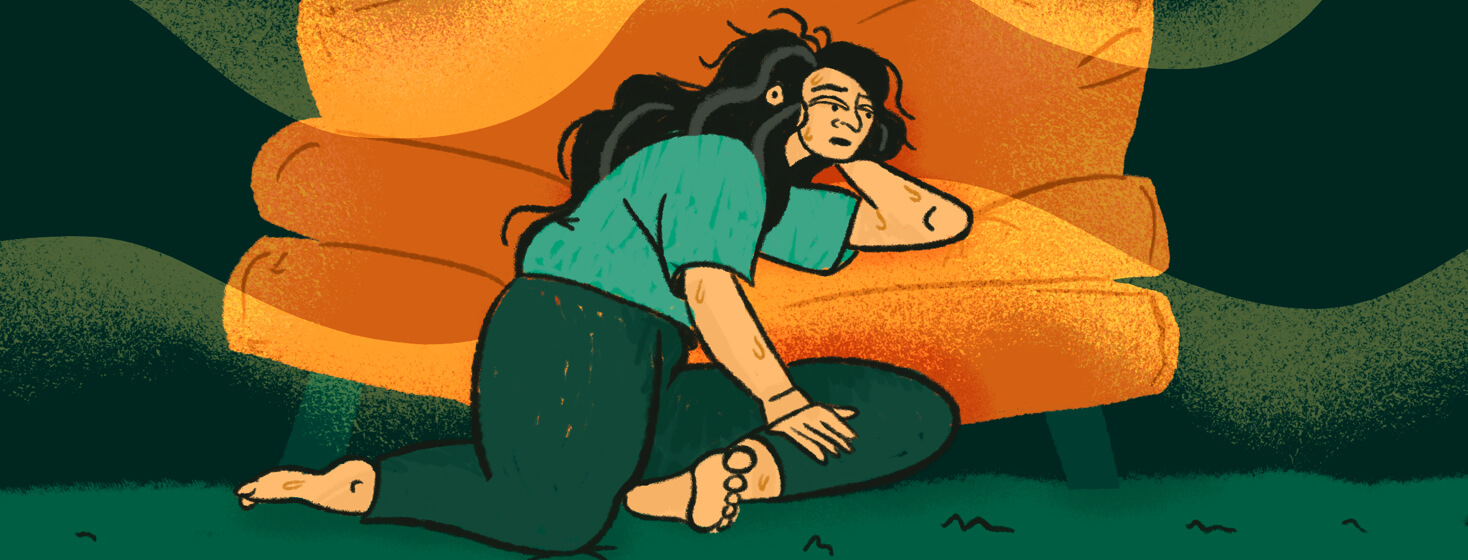
The Crushing Weight of Fatigue With PBC

One of the biggest challenges of PBC isn’t just the medical diagnosis; it’s the invisible symptoms that the rest of the world is not able to see.
The challenge of an invisible symptom like fatigue
Fatigue has been a challenging symptom I had to deal with for a few years now. Looking fine on the outside but feeling exhausted from the moment I woke up to the moment I went to bed has been the most difficult thing to deal with.
This or That
Do you experience fatigue with PBC?
Having my family and friends understand was even more of a challenge. This battle is debilitating because in my mind I want to do all things. But my body does not have enough battery for me to do so.
I understand that many of us are constantly fighting debilitating internal battles every single day. These battles are silent and not easy battles.
PBC fatigue is more than just feeling tired
This isn’t the kind of tiredness you feel after a long day at work or a poor night’s sleep. It is an overwhelming, crushing exhaustion. It can make even the simplest tasks, like folding laundry or making a phone call, feel like climbing a mountain.

As a result, I had to leave my career as a paralegal and look for another type of employment that would provide me with the flexibility of resting when I need to and just be home.
Struggling to adjust to this new normal
My new normal looks very different as I navigate the challenges of dealing with fatigue. I had to learn how to pace myself and break down my tasks into more realistic goals.
At first, I was in denial and felt defeated in every single aspect of my life. I felt like I was a failure to myself and to my family and friends for no longer being able to do the things that I needed to do.
This affected my mental health severely. I became depressed and anxious about the things I could not do. I saw the housework piling up, and I felt like I was drowning. At first, the lack of understanding from my family took my anxiety to another level, plus other personal situations that I was dealing with at the time.
How I learned to cope
Because of the extent of my depression and anxiety, I needed to seek professional help. This was a game-changer. Being able to do this helped me first deal with depression and anxiety symptoms.
Second, I learned that due to the many things I was dealing with in my personal life, along with the PBC diagnosis, I needed to take time to grieve the person that I was prior to PBC. I also needed to accept that things will change.
I needed to make intentional choices to pace myself, take breaks when needed, and ask for help when I needed it. I also had to have a heartfelt conversation with my family to explain to them how the fatigue was affecting every aspect of my life, and I desperately needed their support in this journey.
It took time to get where I am
This change was not easy. It took time for me and the family to adjust, and sometimes it gets messy. Now we make it work, and on days when I am very fatigued, they take over, no questions asked.
I have come to accept that fatigue doesn’t always go away with rest. It can be profoundly isolating when friends or family don’t understand why we must cancel plans at the last minute. But I strive and continue to move forward one day at a time.
Join the conversation