


The Confident Patient: PBC Treatment Planning
The ConfidentPatient:A Doctor Discussion GuideAbout Primary Biliary Cholangitis

Beyond the bloodwork
To fully understand the impact PBC is having on your life, we need to look beyond lab tests. How do you feel mentally and physically? Are you able to do the things that matter to you? The answers to these questions mean just as much as your liver enzyme numbers when it comes to your quality of life.
You know your body. That means you’re the first to know if something feels off. That’s why sharing your perspective in doctor’s appointments is so important. This guide can help you prepare for that next conversation.
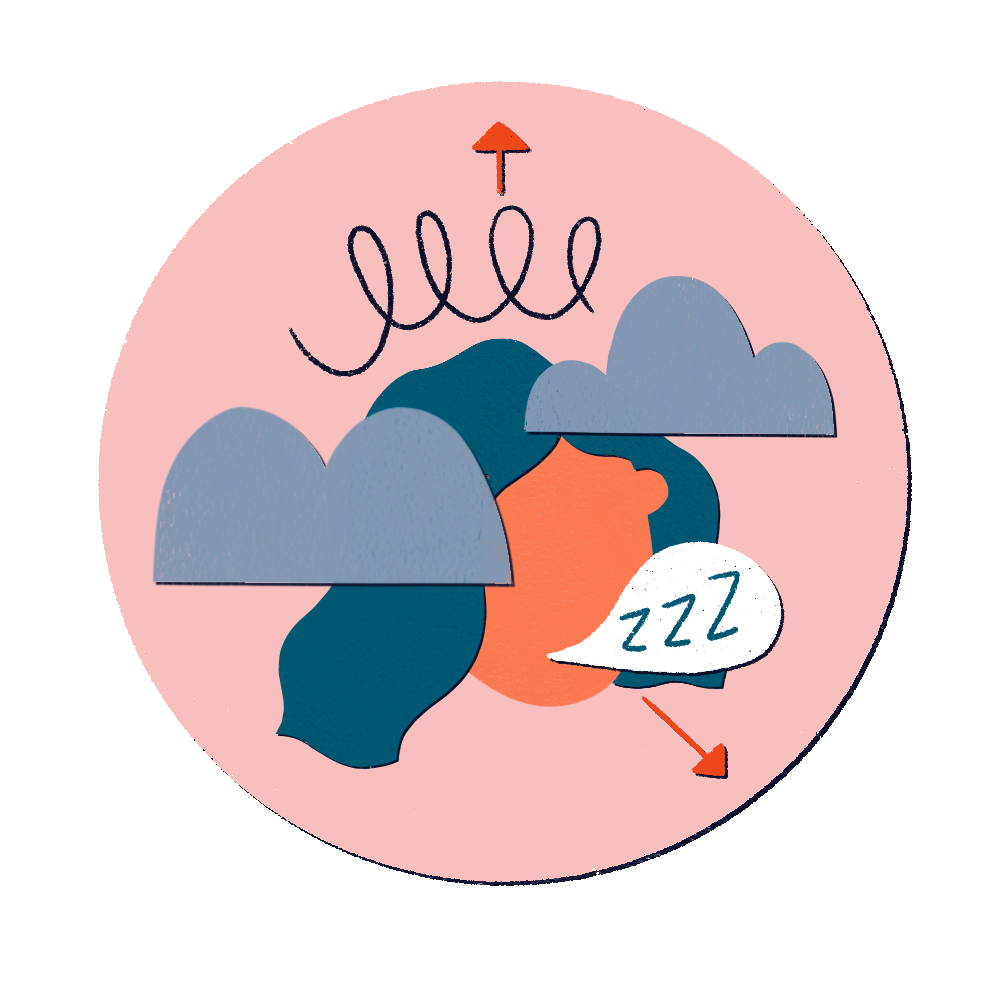
Fatigue isn’t just being tired
Explaining fatigue can be a challenge, but tracking your energy throughout the day can make a big difference. Think of it as monitoring your ‘battery level.’
Pay attention to how that battery drains: Is it a mental strain that leads to brain fog and trouble focusing? Or is it a physical heaviness in your limbs that makes every movement feel like an effort? You might even notice that your battery recharges differently depending on the activity. By logging these moments, you help your care team spot patterns and triggers.
Tracking your symptoms
Life with PBC isn’t just about physical symptoms – managing it can take a real emotional toll, too. Regular tracking can help you feel less overwhelmed when trying to explain what has been happening since your last appointment.
In the last month, have you experienced:
☐ Extreme tiredness
☐ Itchy skin (pruritus)
☐ Dry mouth or eyes
☐ Mental fatigue or "brain fog"
☐ Muscle weakness or lack of motivation
☐ Mood swings, anxiety, or depression

Give the full picture
To help your doctor understand what you’re going through, be specific about how your symptoms impact your life. Before your next appointment, picture your most frustrating moments.
You may consider sharing: