


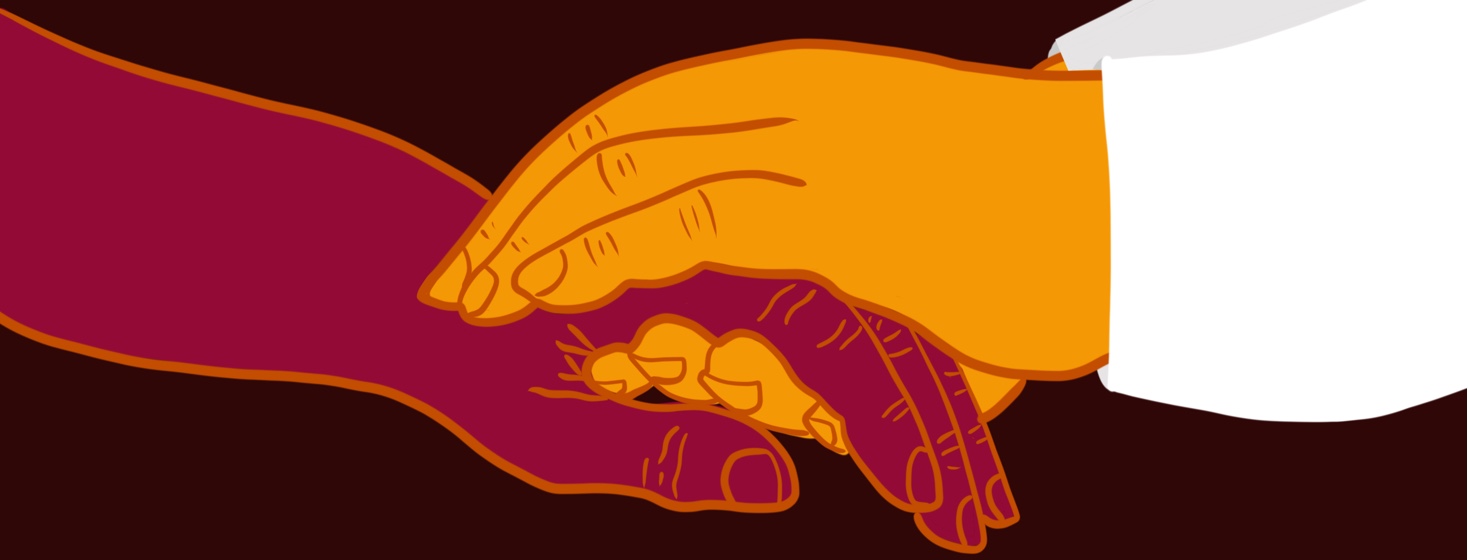
I'm a Better Clinician Because I Have PBC. Here's What I Want Other Healthcare Providers to Know

Being a clinician and a patient living with a rare disease, I think I have a unique perspective regarding healthcare. I know what it's like to be the patient, and I know what it's like to be the healthcare provider. Being able to easily fit into both situations has made my autoimmune journey a lot easier.
I can tell when a doctor is gaslighting me
Because I've been working in direct patient care for over 10 years, I have a pretty comprehensive understanding of medical knowledge. I understand medical terminology, and that makes it easier for me to understand how my autoimmune diseases are affecting my body.
I also understand how the different systems in the body work and how they connect with each other. Because I have a better understanding of the body, I can tell when a medical provider is gaslighting me and not taking my concerns seriously.
The time I fired my clinician
I will never forget my second appointment at my rheumatology office. In that office, they rotate visits between the physician and the nurse practitioner. My doctor's nurse practitioner told me, "All autoimmune disease can be cured with diet and yoga." I couldn't believe what was coming out of her mouth. Yes, inflammatory food can make autoimmune disease worse, and exercise can help improve the body. But by no means is it a "cure."
I have to take medication every single day for my PBC to manage my disease process. I immediately fired that nurse practitioner from my care. They replaced her with a very thoughtful and compassionate nurse practitioner who took my symptoms seriously and diagnosed me with fibromyalgia.
I try to help patients understand and advocate for themselves
Patients who are not well versed in the medical field do not always see when they are being gaslit. They also do not easily understand medical lingo, or the disease process and management.
As an advocate, I try to help bridge the gap that patients experience. I try to provide easy-to-understand explanations, and I constantly try to remember that health literacy is a huge gap when I am providing care to patients. I also like to help patients learn how to better advocate for themselves and challenge their care team when necessary.
What I want other clinicians to know
Becoming a rare disease patient has made me a better clinician. I understand the fear and anxiety patients experience. So, when I'm at work, I always try to treat patients the way I would want to be treated.
And it makes a huge difference in the quality of care I provide to patients. I frequently have patients request me when they come to be tested at my job. Patients always tell me I make them feel comfortable and that I make them feel safe. And that's the advice I wish to pass on to other clinicians.
PBC patients should feel seen and heard
Working in healthcare is hard, and burnout is so common. I think it sometimes makes healthcare workers "go through the motions" just to get through the day. That's when we lose our compassion for patients. We are trying so hard to help ourselves that we can't always be our best for others.
I really want to remind clinicians that our patients are people, too. And making the patients feel seen and heard is the best practice when it comes to caring for rare disease patients.
So often we are overlooked because our disease isn't always visible to others. You can't see our fatigue or our brain fog, but that doesn't mean it isn't there. I really recommend trying to fully connect with patients in their 15-minute visits and listen as best as you can. And always remember that sometimes the patients know more than we, the clinicians, do.
Join the conversation